

Overview
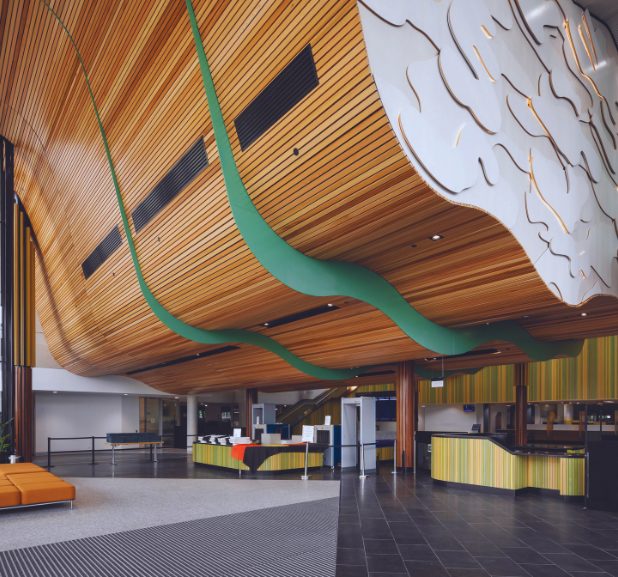
Timber lining boards are used to finish internal walls and ceilings, where the board itself is the finished surface rather than something that gets covered over. The profile you choose sets the look, from the crisp shadow line of a V joint through to the flat, seamless face of a shiplap board.
Traditionally lining boards have been milled from 25 mm and thicker sawn hardwood, which seasons and machines down to an 18 to 19 mm board. We make ours at 12 mm. The boards are lighter, faster to hang overhead, and cost less to freight, and they have been structurally certified for both cyclonic and non-cyclonic applications. Properly seasoned, fixed, coated and maintained, they perform the same as the thicker product in every respect other than impact resistance.
All our boards are air dried in our Brisbane facility before machining, which is what keeps them stable once they are on the wall. We can sand and apply a factory finish from our colourWOOD range before they leave us, so the boards arrive on site ready to install with no coating trade required.
Our lining boards are machined in Queensland Spotted Gum and Coastal Blackbutt as standard, with Western Red Cedar available where light weight or a warmer tone is wanted. Imported species can be machined to order. Every board is PEFC or FSC certified.
View our stock via the Species Guide
Our handy species guide will help you find the right high-quality hardwood species.
Timber Lining Board Profiles
V Joint Series
The V joint is the profile most people picture when they think of a timber lined room. The chamfer on each board edge creates a fine shadow line that runs the length of the wall or ceiling, giving the surface rhythm without drawing attention to the joint itself. Traditionally a V joint board came in at 18 mm. Ours is 12 mm, which takes real weight out of an overhead install and speeds the job up. Available in set lengths to reduce joins on site, raw or pre-finished.
Commonly used in colonial homes to panel walls and hallways, Vee joint is now regularly used to create feature ceilings, rooms and walkways, adding that wow factor to any project.
Shiplap Series
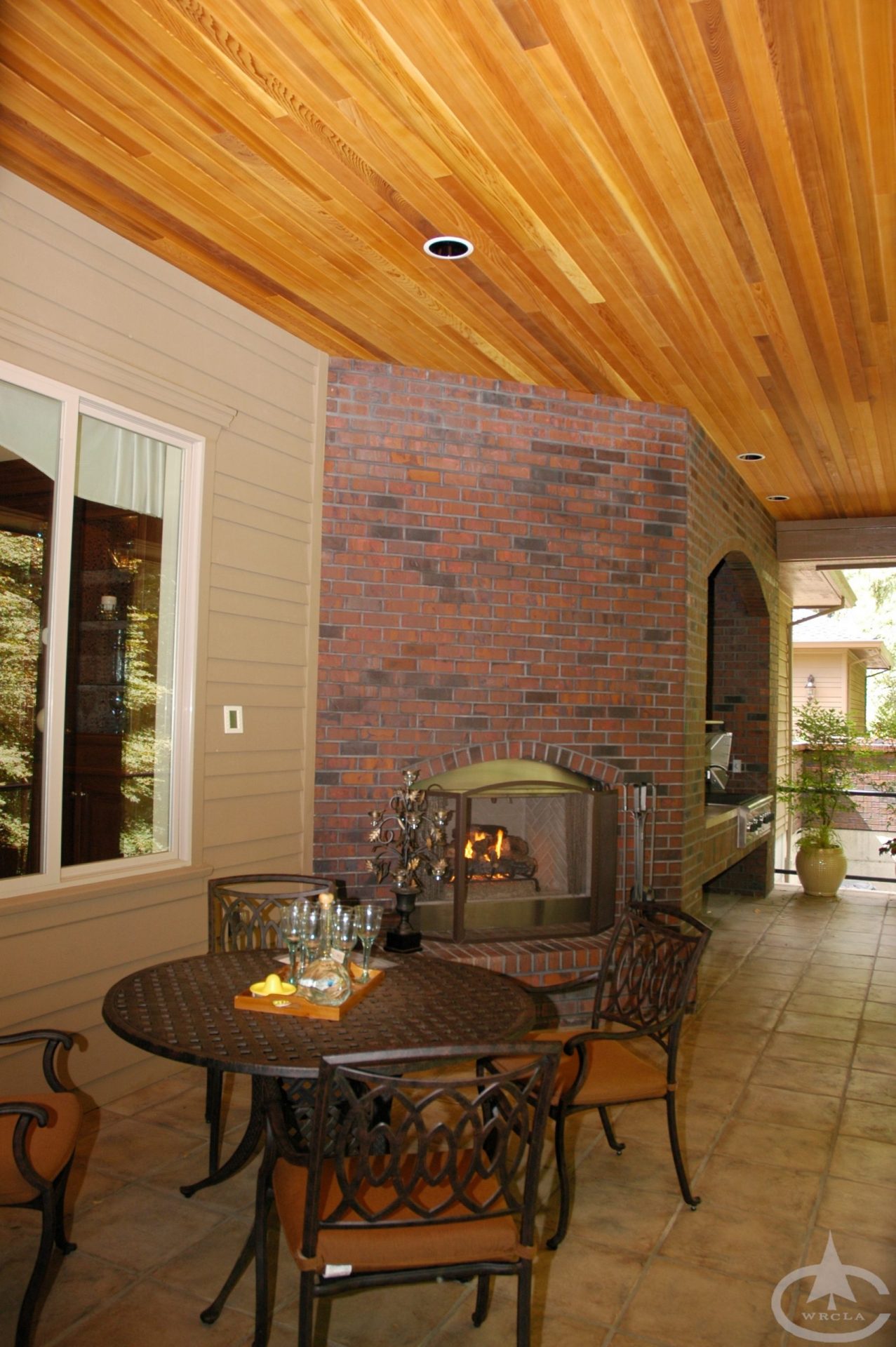
Shiplap sits flat and close, with the concealed tongue and groove allowing secret nailing so no fixings show on the finished face. It suits interiors where the timber should read as one continuous surface rather than a series of boards. Produced from the highest grade sawn boards and air dried in our Brisbane facility for stability over time. Talk to our team about sanding and coating so the boards land on site ready to make an immediate impact.
Decor Series
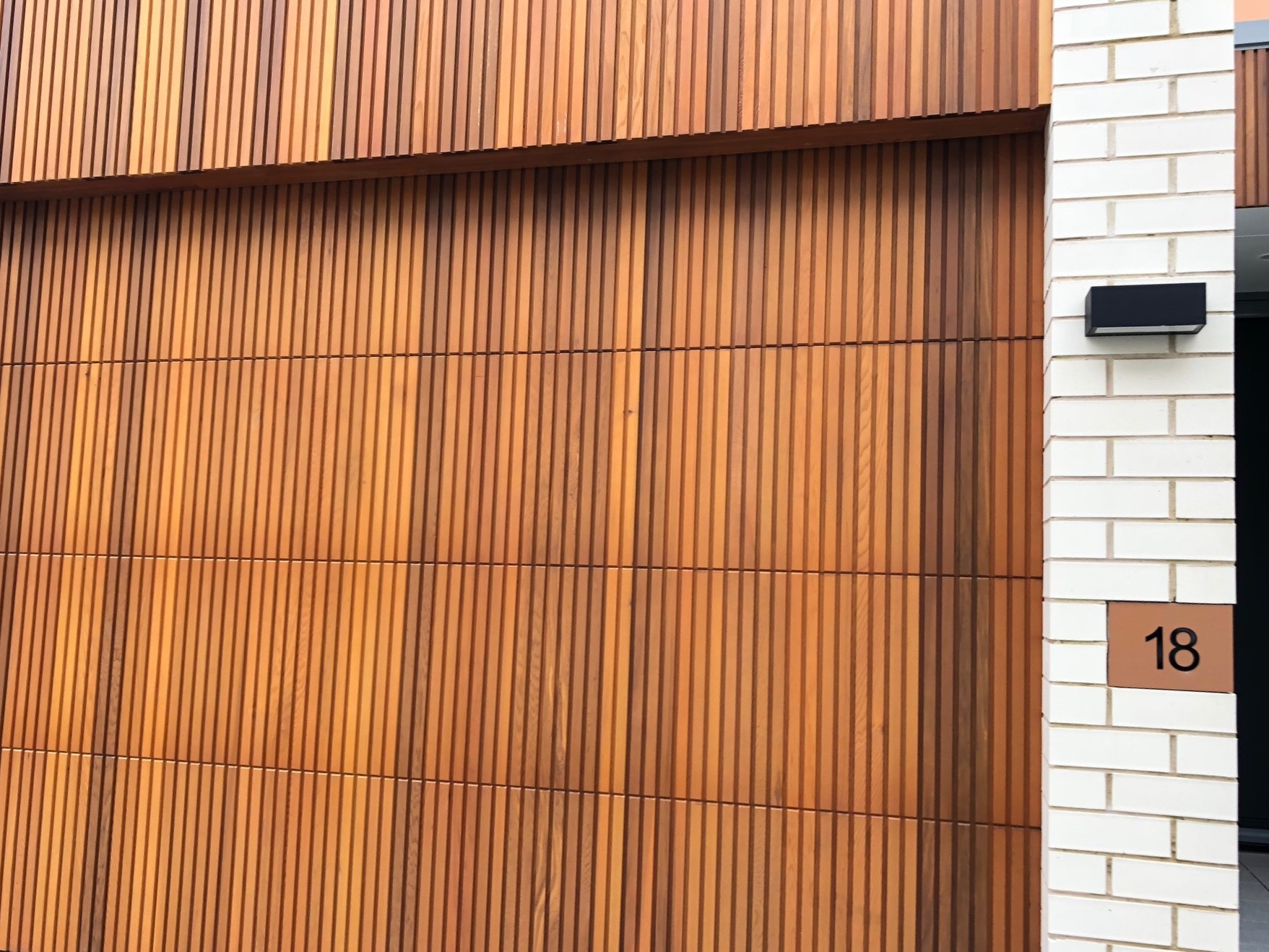
Decor is the profile to reach for when the lining is meant to be the feature. A deeper, more sculpted face throws heavier shadow across the wall, which works well in a hallway, an entry or a feature wall in a living area. Available in Queensland Spotted Gum and Coastal Blackbutt.
Decor Series
Regency started life as a cedar profile, chosen for its stability and light weight, and we have since brought it into our hardwood range. It is a hard wearing board, which makes it a sensible choice for corridors, classrooms and other high traffic areas. Finished with one of our cured UV lacquers it will take years of knocks and still look right.

Species Available
Wall and Ceiling Applications
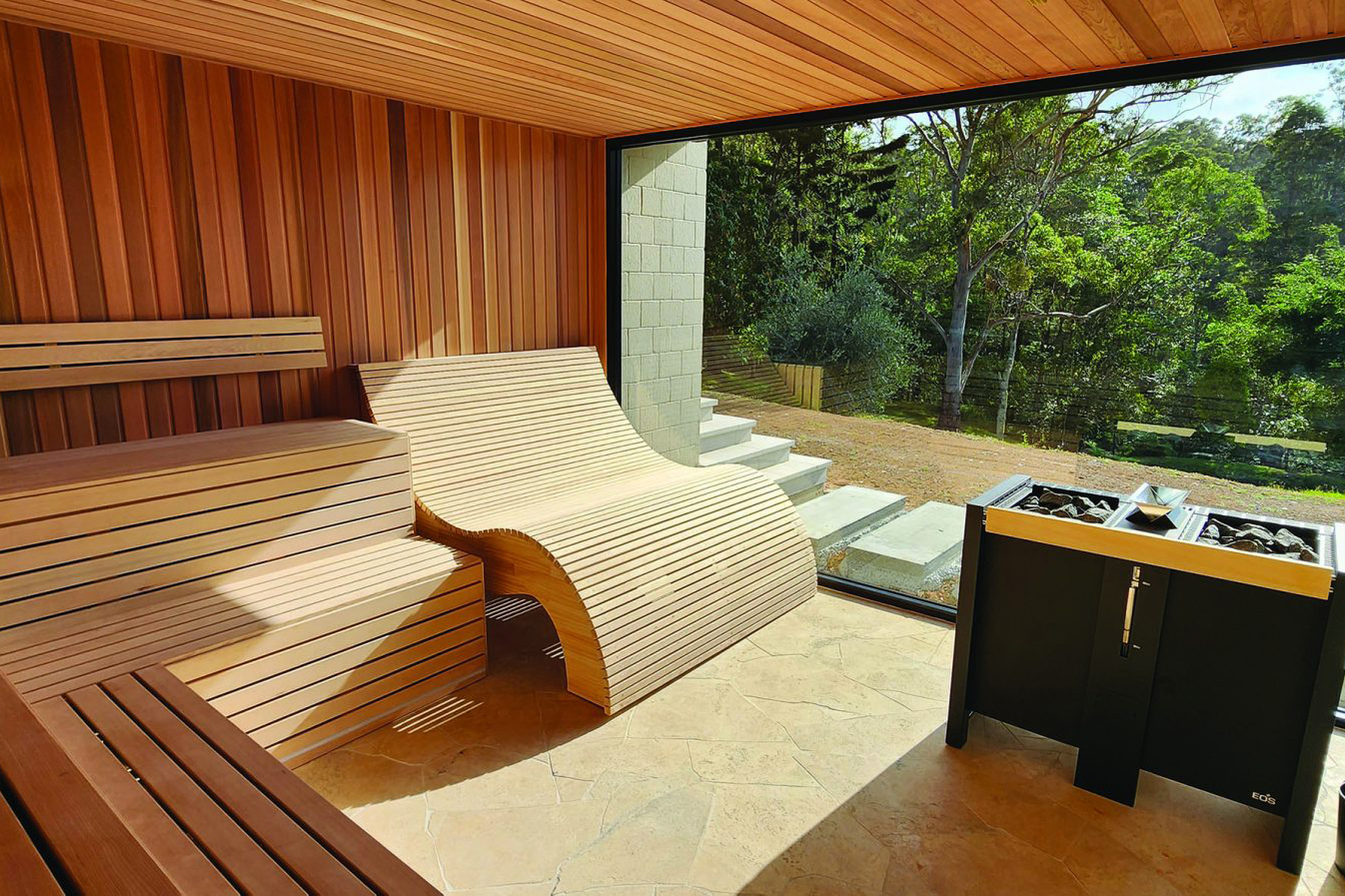
Lining boards go up on both walls and ceilings, and the two are not the same job. A ceiling carries the board’s own weight in a way a wall does not, so supports need to sit closer together. A 12 mm board on a wall will take supports at up to 900 mm where they run perpendicular to the boards. The same board on a ceiling drops to 600 mm. Run the boards at 45 degrees to the supports and both figures tighten again. The full spacing and nail sizing is set out below.
Where boards are going over masonry, or where a wall or ceiling needs levelling first, battens are fixed to the substrate and the boards fixed to the battens. Ceiling battens need particular care because they carry higher pull-out loads, so anchorage should be checked before lining starts. Battens also need to land at openings, penetrations and any butt joints in the boards.
Narrower boards restrained by a tongue and groove can usually be secret nailed, which hides the fixing entirely. Wider boards need face nailing, where the heads are either punched and filled or left expressed as part of the look. If you are filling, keep in mind that timber darkens under UV, so a filler matched on day one will not necessarily match in a year.
Wet areas need more thought again. Bathrooms and laundries want extra ventilation, a water repellent preservative on every face including backs and ends, and a finish on all surfaces rather than just the ones you can see. Lining boards are not the right product directly behind a bath, a shower or a sink splashback.
How many fixings a board needs comes down to its width. A board under 90 mm wide that is held on its edge by a tongue and groove will generally take a single nail at each support. Between 90 and 135 mm you need either an adhesive or a second fastener. Above 135 mm, extra nails are required and secret nailing stops being realistic, so plan for an expressed or filled face fixing from the start.
Grades and Finishes
Hardwood lining boards come in two appearance grades. Select grade has minimal natural feature. Medium feature grade carries more character, including tight and loose gum vein. Unless a job specifies otherwise we supply medium feature grade, so if the brief calls for select it needs to be stated at order.
Boards are supplied at a moisture content suited to internal use, and they need to stay that way. Keep them dry on site, install behind a vapour permeable sarking or equivalent, and let them acclimatise in the room before fixing. Most lining board problems we get called about trace back to boards that got wet or went up too soon.
We sand and coat in house at our Rosewood plant. Boards can be supplied raw, sanded, or pre-finished with a penetrating oil or a cured UV lacquer from our colourWOOD range. Pre-finishing coats every face before the board is packed, which is both a better result than coating on site and one less trade to schedule.
How to Specify Timber Lining Boards
- 1Species. Spotted Gum, Coastal Blackbutt, Western Red Cedar or an imported species.
- 2Grade. Select or medium feature. Medium feature is supplied unless stated.
- 3
Profile. V Joint, Shiplap, Decor or Regency.
- 4
Dimensions. Cover width, thickness and board length.
- 5
Finish. Raw, sanded, or pre-finished and which coating.
Send us those five things and we can quote it. If you are not sure on any of them, send through what you do have and our team will work the rest out with you.
Timber Lining Board FAQs
Ready to order for your next project?
Our experienced team can help find the most cost-effective and suitable option for your next project. We can determine which grade, length and section size is best to suit your needs.