

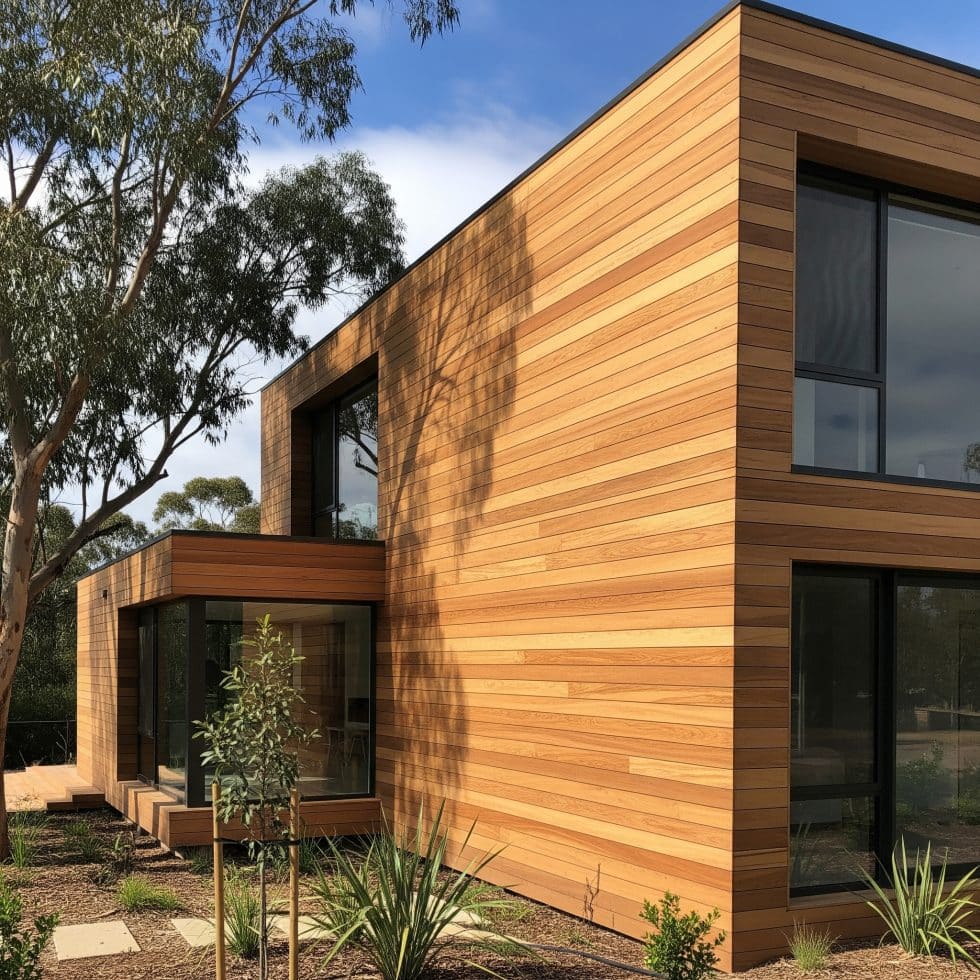
As architects, builders, and homeowners across Australia continue to look for materials that combine natural beauty with durability, timber cladding is still one of the most sought-after exterior finishes. And among the many options available, blackbutt cladding has steadily become a fan favourite thanks to its clean and contemporary appearance, but also for its proven durability in harsh Australian conditions.
Today, people want timber that’s sourced responsibly, manufactured to consistent standards, and designed to last for decades rather than years. That’s where Timbeck, one of Australia’s most experienced hardwood specialists, plays a crucial role. Backed by decades of milling, grading, and species expertise, Timbeck helps ensure that every piece of blackbutt supplied for cladding performs as it should in terms of structure, aesthetics, and also sustainability.
In this article, we’ll unpack what makes blackbutt such a reliable choice for external cladding, explore the sustainability and quality considerations that matter most, and outline the steps Timbeck takes to deliver timber that stands the test of time.
What Is Blackbutt Cladding?
Blackbutt is one of Australia’s most respected native hardwoods and has long been prized for both structural applications and architectural design. Found mainly along the coastal and mid-north regions of New South Wales and Queensland, blackbutt thrives in tough climates, giving it incredible resilience that translates directly into its performance as an external cladding material.
Blackbutt cladding is widely used across residential projects, high-end commercial facades, and modern renovations. Its ability to provide longevity, compliance, and architectural appeal makes it a go-to choice for anyone wanting a natural material that stands up to both design expectations and environmental demands.
Key Benefits of Blackbutt for External Cladding
Blackbutt is valued across Australia for its ability to balance natural beauty with reliability. Its qualities make it one of the most reliable hardwoods for exterior use, especially in demanding environments. Here are the core advantages that keep blackbutt at the top of many project specifications:
- Durability and density: Its high density gives blackbutt outstanding strength and weather resistance, helping it stand up to harsh Australian conditions for decades.
- Natural termite resistance: Blackbutt’s inherent resistance to termite activity reduces the need for chemical treatments and makes it a safer, more dependable option in vulnerable regions.
- Dimensional stability: When properly dried and installed, blackbutt has a low tendency to warp, cup, or shrink, allowing facades to maintain clean lines and consistent performance over time.
- Aesthetic versatility: The pale, even grain works with modern and traditional styles alike. It accepts oils and stains exceptionally well, offering a wide range of tonal and architectural possibilities.
- Fire performance advantages: As one of the few hardwoods rated suitable for BAL 29 areas, blackbutt performs significantly better than many softwoods in bushfire-prone environments.
- Lower environmental footprint: Sustainably sourced blackbutt has a naturally low embodied energy, making it a more environmentally responsible choice than many manufactured composite products.
These benefits make blackbutt a strong choice for projects that require both longevity and design flexibility.
The Challenges With Timber Cladding and How Timbeck Solves Them
While timber cladding remains one of the most attractive and sustainable exterior materials, it does come with challenges that require expertise and proper preparation.
The Challenges of Timber Cladding
Natural movement is one of the most common issues. Without accurate drying and profiling, timber can shrink, cup, or split over time, particularly in areas exposed to harsh sun or fluctuating humidity. Moisture management is another critical factor; boards that aren’t dried or sealed appropriately can absorb water, leading to distortion, mould, or premature ageing.
Inconsistent milling tolerances across suppliers can also make installation difficult. Even small variations in board dimensions can disrupt alignment, create uneven shadow lines, or even affect weather performance. Likewise, inadequate grading or pre-coating can leave builders with timber that simply isn’t suited to external use.
This is especially frustrating when deadlines are tight and onsite adjustments become unavoidable. Unfortunately, not all timber sold as cladding grade meets the standards required for long-term exterior performance.
How Timbeck Solves These Challenges
Timbeck’s precision milling processes help ensure consistent board profiles and tight tolerances, reducing installation issues. Rigorous grading standards ensure that only appropriate, structurally sound timber is supplied for cladding applications.
Kiln-drying is carefully controlled and optimised for hardwood cladding, helping to stabilise the timber and minimise movement after installation. Moisture content is monitored throughout production as well to ensure that each board performs as intended outdoors.
How Timbeck Ensures Sustainability in Blackbutt Cladding
Timbeck’s approach to sustainability begins with responsibly managed Australian forests, supported by PEFC and FSC chain-of-custody certifications where applicable. This ensures that the timber is harvested legally, ethically and in line with strict Australian forestry codes, which promote selective harvesting, regeneration, and long-term ecological health.
Timbeck partners only with suppliers who follow these standards, helping maintain healthy forest ecosystems while providing reliable, traceable hardwood.
In addition, Timbeck’s milling processes focus on waste minimisation, ensuring as much of each log as possible is used, with offcuts repurposed rather than discarded. Local sourcing further reduces environmental impact by avoiding the high embodied energy associated with imported timbers and globally shipped composite products.
Compared with composite cladding, sustainably sourced blackbutt offers a renewable, low-impact alternative. It provides strong environmental performance without compromising durability or design flexibility.
Why Blackbutt Cladding is a Future-Proof Choice
Blackbutt continues to stand out as a long-term cladding solution thanks to its natural durability and strength in harsh Australian conditions. As a sustainably sourced native hardwood, it offers an environmentally responsible option with a lower carbon footprint than many manufactured alternatives, making it an excellent fit for eco-conscious projects.
Its pale, clean grain and ability to take stains and oils well give blackbutt a timeless aesthetic that suits both contemporary and traditional architecture. Paired with Timbeck’s high manufacturing standards, builders and homeowners can benefit from consistent quality and reliable guidance throughout the project.
For those seeking a cladding material that balances longevity, beauty, and sustainability, blackbutt remains one of Australia’s most future-proof choices.
